Summer reading: A Canticle for Leibowitz and The Nicomachean Ethics. For Spanish practice, still working through El Aleph (Borges) and Introduccion al Cristianismo (Ratzinger). We’re about to do a bit of road-tripping through Louisiana and Mississippi, so a couple of audiobooks are also lined up. The plan is to head south to the Gulf coast, then westward to New Orleans, loiter a bit, head to Oxford, and then home. Outside of picking out a few potential restaurants and arranging the hotels, planning has been pretty minimal, which suits both of us just fine. Loosely-structured slowness is the point after the absolute insanity of the last few months.
I am still unpacking the treasures of the class on desert spirituality, which I just wrapped up. My copies of Cassian’s Institutes and Conferences are now heavily marked up. Great stuff and certain to be fruitful in the years to come.
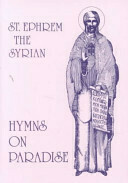
Currently reading: St. Ephrem the Syrian: Hymns On Paradise by St. Ephrem 📚 #books #catholic #theology

Currently reading: El Aleph / The Aleph by Jorge Luis Borges 📚 I absolutely loved Ficciones and am looking forward to savoring this one, too.
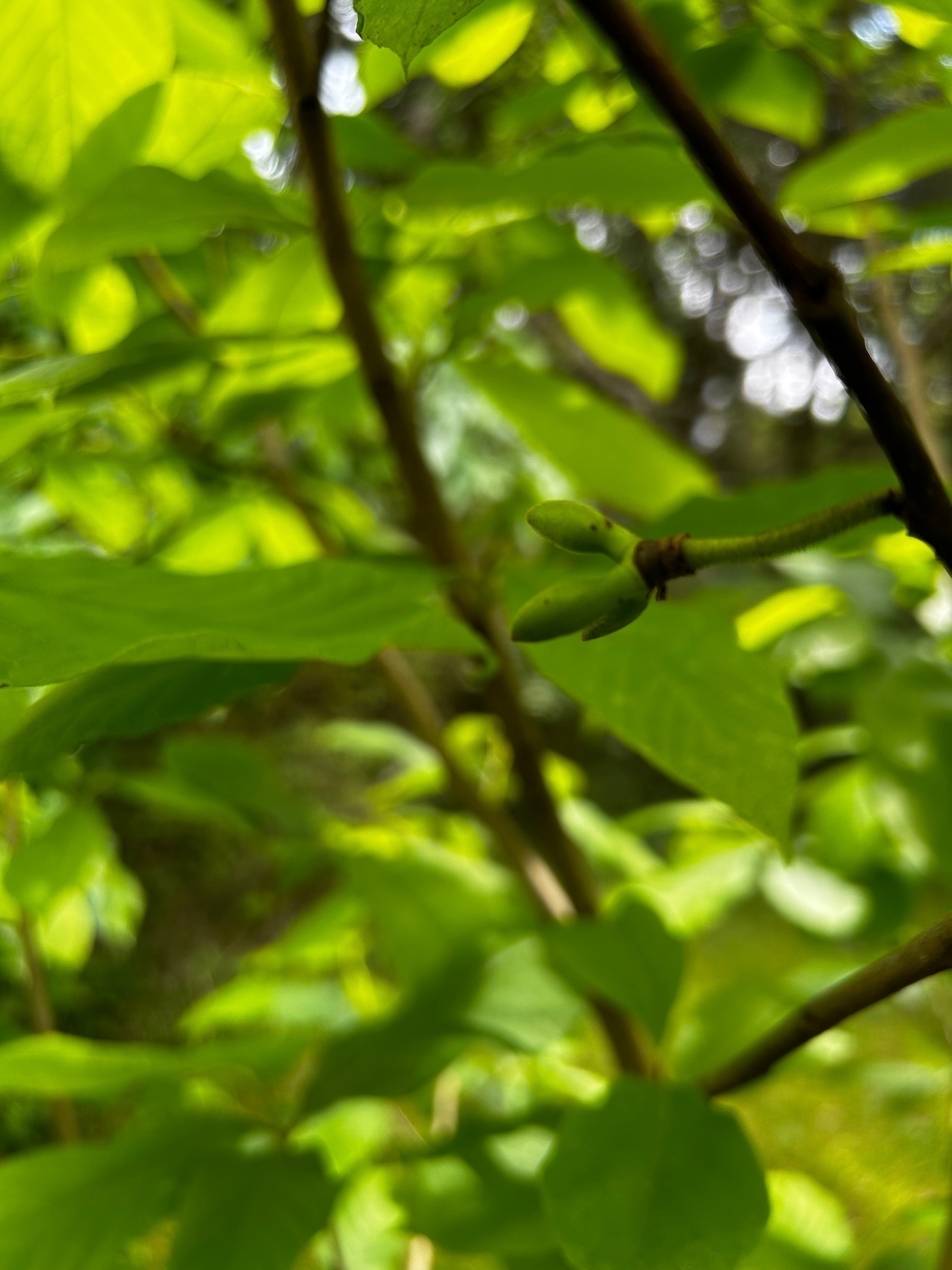
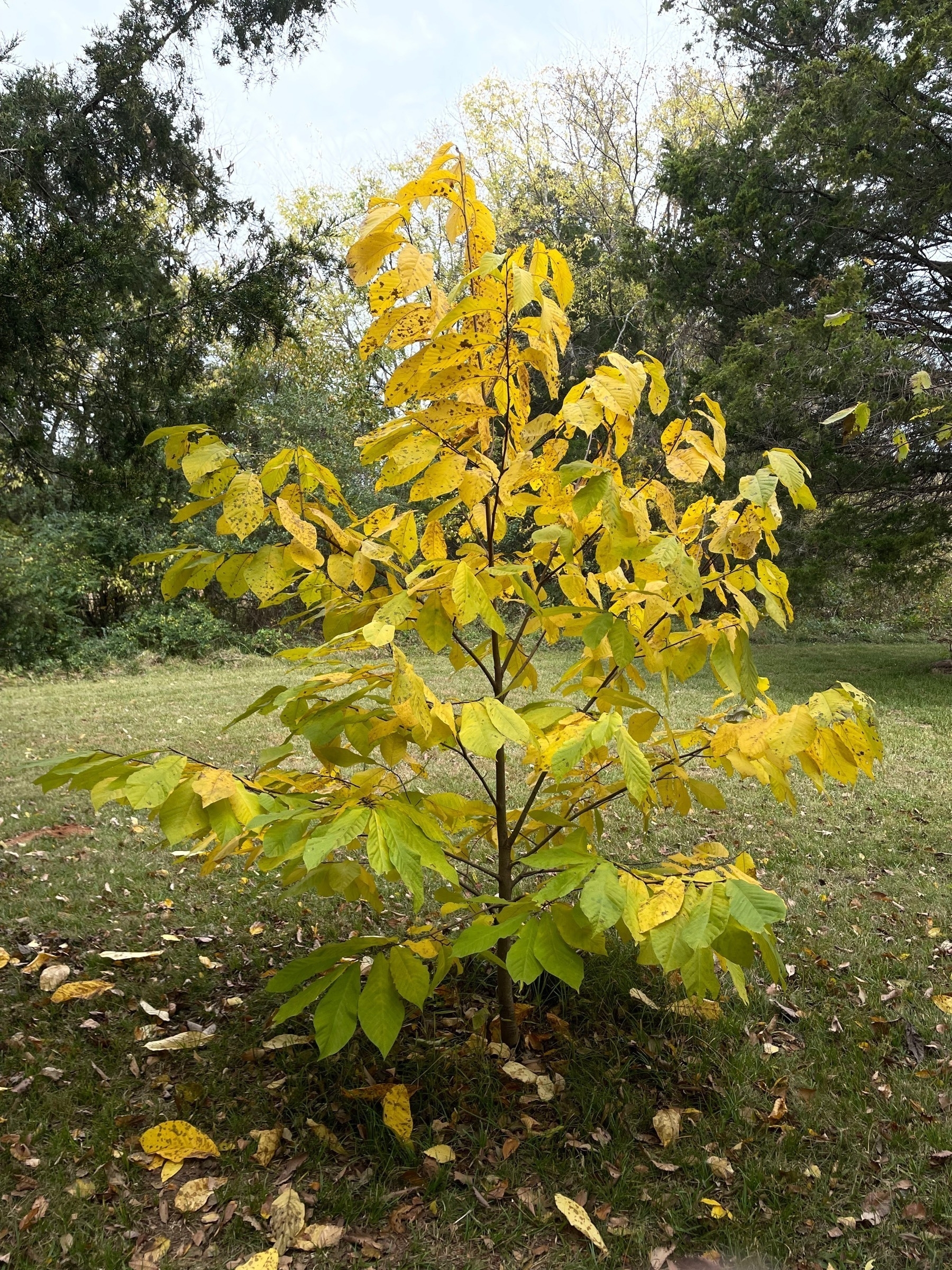
I think these are fruit sets on the pawpaw tree. I found a few others too. Here’s hoping they survive!

Currently reading: Cien años de soledad / One Hundred Years of Solitude by Gabriel García Márquez 📚

Currently reading: Introducción al cristianismo: Lecciones sobre el credo apostólico by Benedicto XVI 📚
Ad cenam agni providi
Well, it’s been a hot minute or two since I last posted anything. Since the last time, we completed the two-month sequence in ecclesiology. I started out lukewarm on the topic but got quite into it by the end. Our next class - the Sacraments - is in a few weeks, and I’ve nearly completed the required reading (Lawrence Feingold’s Touched by Christ: The Sacramental Economy). I also have one of the ‘recommended’ texts on tap (Colman O’Neill’s Meeting Christ in the Sacraments) and will probably dive into that next. All of the books for my summer course are sitting here as well, but the professor hasn’t posted the syllabus yet so they’re sort of on hold.
For fiction reading, I finished Bulgakov’s The Master and Margarita, which I thought was terrific. This started something of a Russian streak, so I read Crime and Punishment next and am determined to actually finish Doctor Zhivago on this go-round. I’m about halfway through it. Not sure what I’ll look at next. A few of us were discussing Graham Greene in class last month, so probably one of his novels. I read The End of the Affair years ago and remember liking it. The Power and the Glory came highly recommended, as was The Heart of the Matter.
Still enjoying Greek, and have added daily practice of reading the day’s Gospel aloud in Spanish as well. A Spanish translation of Ratzinger’s Introduction to Christianity arrived today, which looks challenging stuff.
Holy Week was busy for us - Palm Sunday, the Chrism Mass on Tuesday, a senior banquet for one of the kids, Good Friday, and the Easter Vigil. Just a few moments to catch our breath and bask in the glow of it all. The sun’s out and things are finally drying off a bit. Everything outside is growing like mad. Famliy is mostly health, save for the odd cold bug here and there. The cat has a clean bill of health from a stubborn ear infection. Dog snoozing the sun.
Every day the rooster gets out and parades past my office window. Then I chase him right back into the coop. It’s become something of a routine. He starts to make a run for it as soon as he hears me unlocking the front door.
All is well, all is well. All manner of things are well. I hope the same for you and yours.
οὐκ οἶδα
Submitted my last paper for Johannine Literature, which brings this year’s long sequence on scripture to a close. On deck is Ecclesiology, followed by Sacraments. Each of those will last two months and will bring this semester to a close. I registered today for a summer intensive on Desert Fathers and Mothers and am very much looking forward to it. The prep work for that one starts in May, then I’ll be up at St. Meinrad for a week in June. Hopefully, the weather won’t be as hot as last year. On the other hand, it would be sort of appropriate, given the subject material.
In other news, I’ve been learning a bit of Koine Greek. A couple of my recent instructors both taught directly from Greek NTs and, overcome with a bit of language-envy, I picked up a grammar, workbook, and NA28 English/Greek New Testament. It’s been great fun so far; basically like learning to read all over again. I’ve also peeked at a few of the classics and if you’re also inclined, I’ll just point out that the Logeion app is free. It comes with several lexicons built-in and integrates well with Attikos, which is also free. It blows my mind that it’s all free, or maybe I’m just easily impressed these days. οὐκ οἶδα, man, I just work here.
More nerdiness: after a long stretch with Cinnamon, I’ve opted to return to i3wm, this time with polybar which I find to be a lot easier to deal with than i3blocks. It looks nicer, too. If none of this means anything to you, don’t worry.

My Carmelite deep-dive continues with The Collected Works of St. Teresa of Avila Vol 2 by Saint Teresa (of Avila) 📚
“We need another and a wiser and perhaps a more mystical concept of animals. Remote from universal nature and living by complicated artifice, man in civilization surveys the creature through the glass of his knowledge and sees thereby a feather magnified and the whole image in distortion. We patronize them for their incompleteness, for their tragic fate for having taken form so far below ourselves. And therein do we err. For the animal shall not be measured by man. In a world older and more complete than ours, they move finished and complete, gifted with the extension of the senses we have lost or never attained, living by voices we shall never hear. They are not brethren, they are not underlings: they are other nations, caught with ourselves in the net of life and time, fellow prisoners of the splendour and travail of the earth.”
— Henry Beston, The Outermost House

Currently reading: The Carmelite Way: An Ancient Path for Today’s Pilgrim by John Welch OCarm 📚
Here’s a nifty fact for you: the Catholic diocese of Orlando includes the moon.
Why? The diocese of Orlando includes Cape Canaveral, and the 1917 code of canon law gives him pastoral responsibility over any lands ‘discovered’ from that point. OTOH, a claim can be made that the military ordinariate has responsibility instead, but I’ll let the canon jurists sort that one out.

Currently reading: Carmelite Spirituality in the Teresian Tradition by Paul-Marie of the Cross 📚
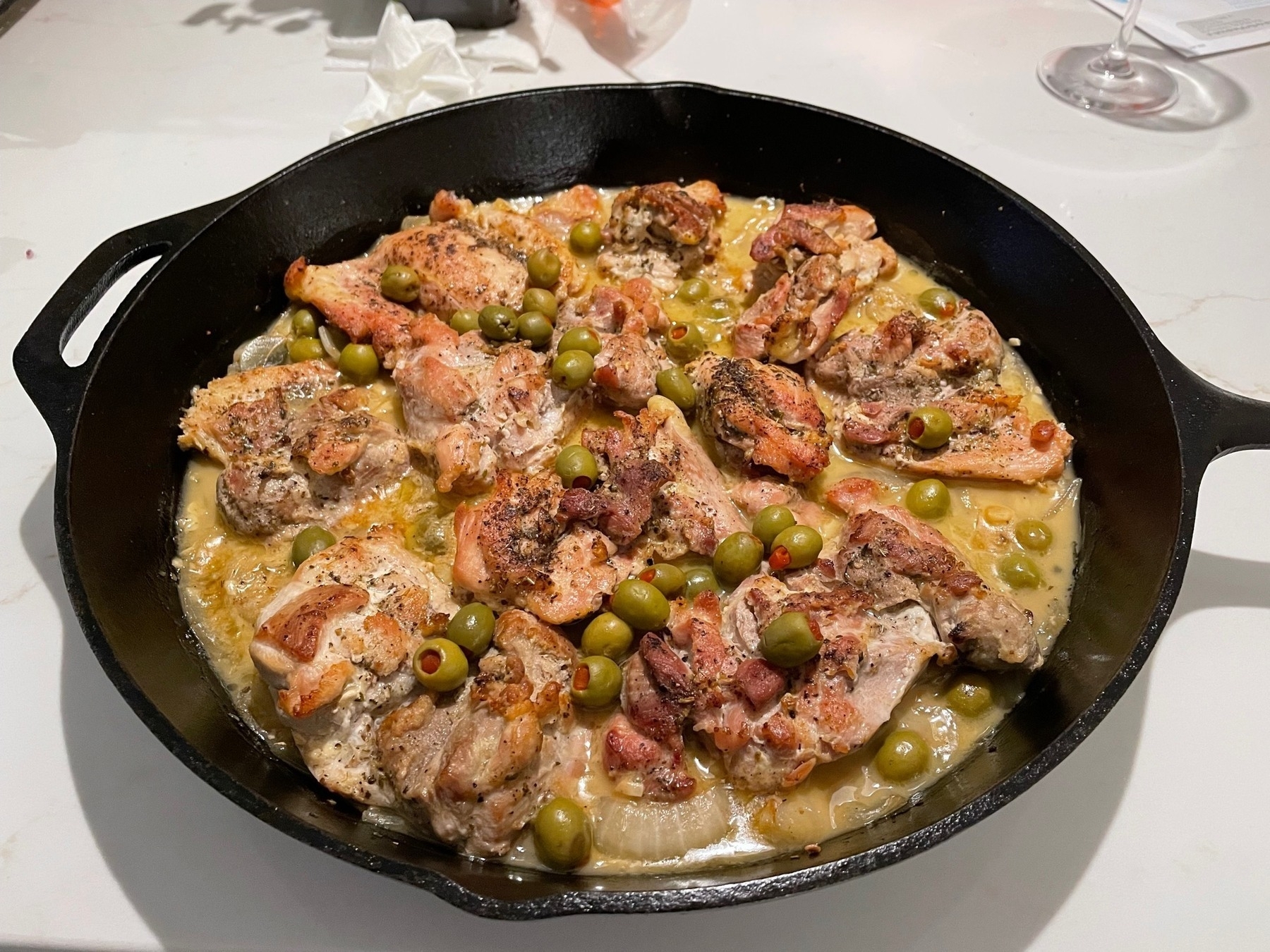
Pollo borracho, or “drunken chicken.” I think every country has a version of this. Black beans and rice on the side. 🇨🇺
Would you like to hear what happens when AI versions of Werner Herzog and Slavoj Zizek converse? Of course you would! https://infiniteconversation.com/
Today I learned how to have 2 apps open at once on an iPad. Probably old news for everyone else, but fairly mind blowing for me. 🙃
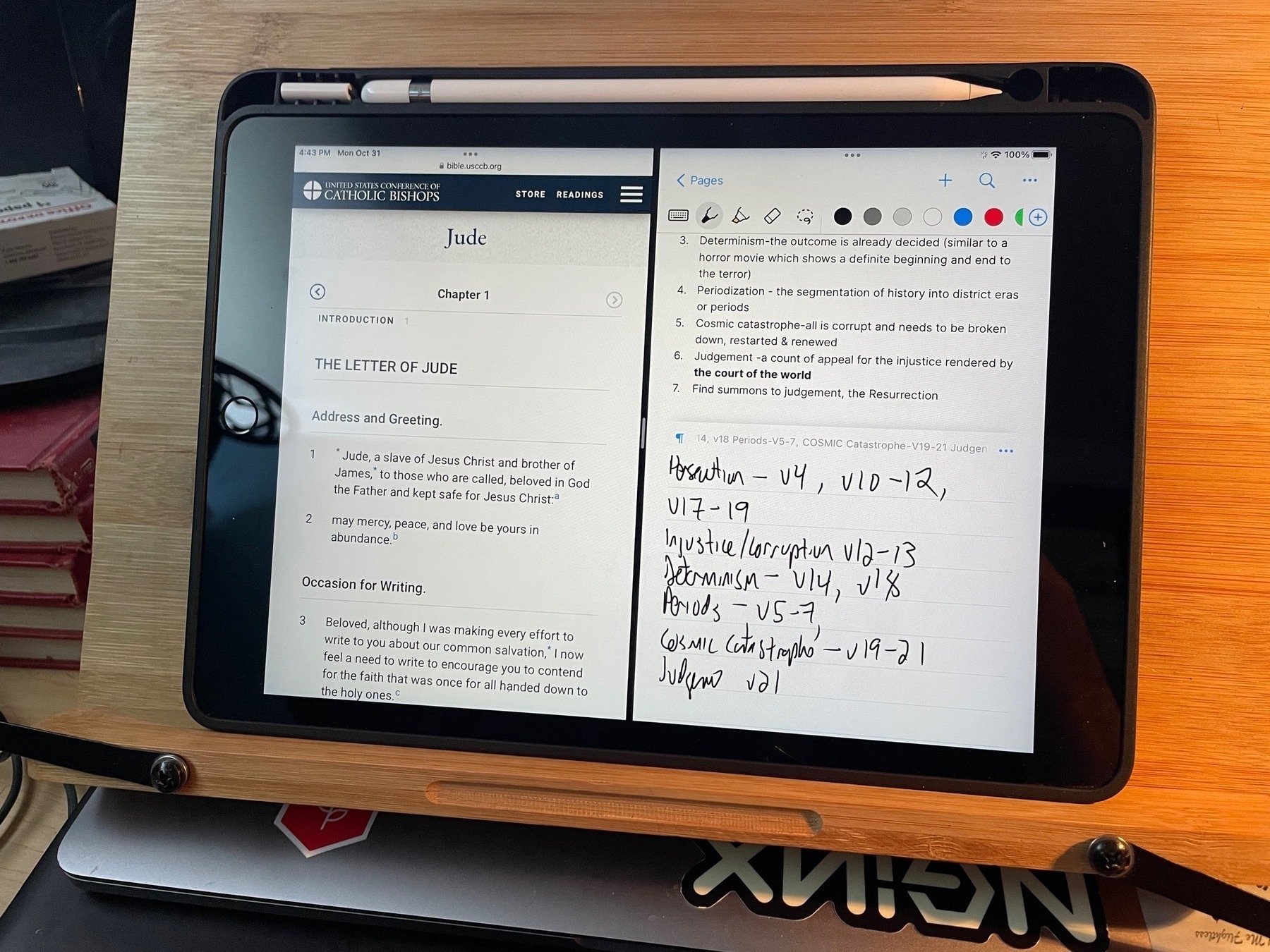
First week in my attempt to go paperless for classwork. Marking up docs and articles in Zotero has been flawless and I’ve been impressed with the OCR in the Nebo app for note-taking during lectures. I have the Obsidian integration working at home but am not syncing vaults so I can’t get to my notes remotely. I found some instructions for syncing to a local git repo, which I could host on the NAS. As I’m always connected to my home network for Pi-hole, this should work a treat. I just need another few hours in the day. :/

Currently reading: Carmelite Spirituality by Cardinal Anders Arborelius 📚

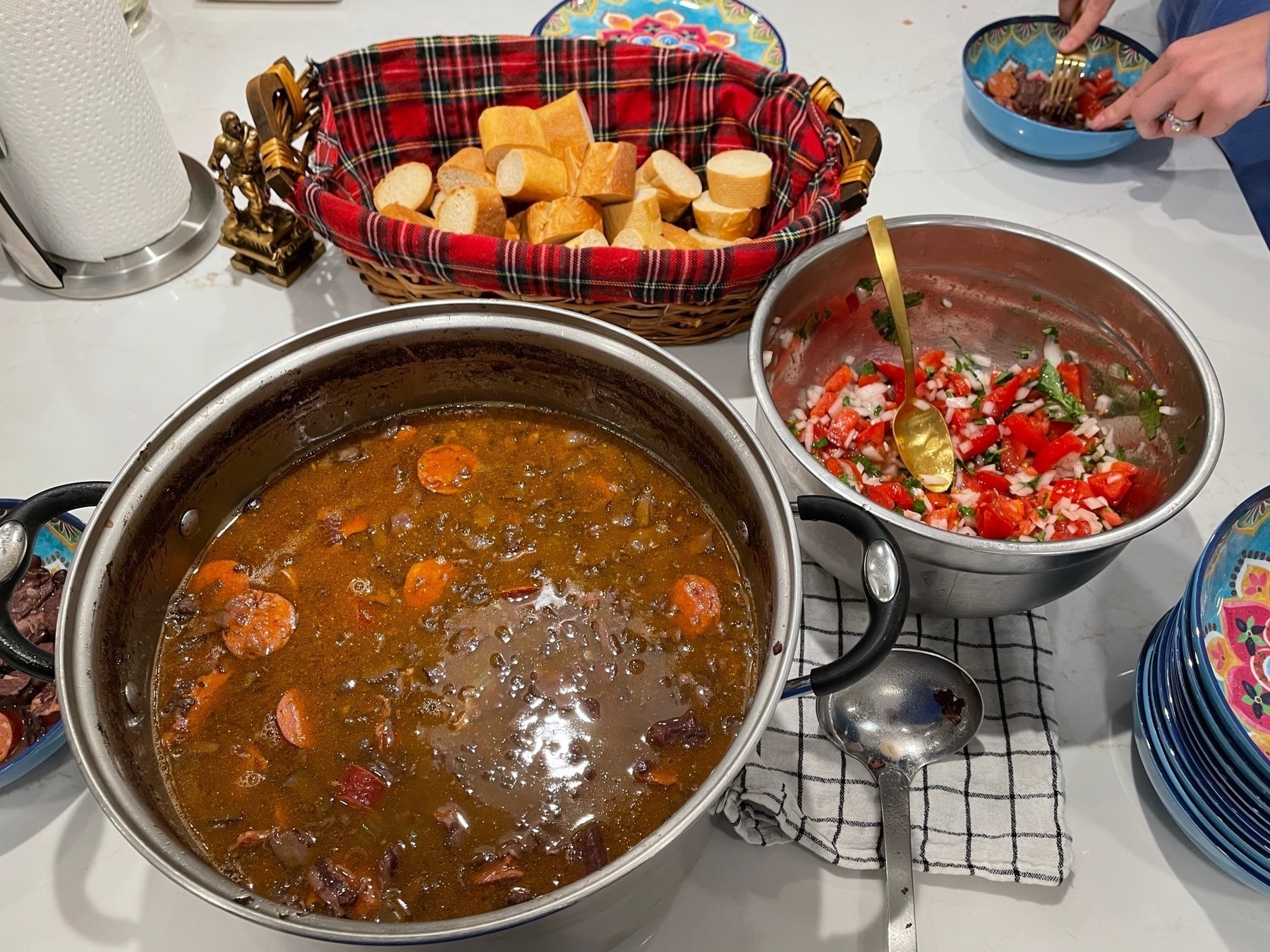
Trying something new: feijoada, a black bean stew with pork and beef. It’s smells ridiculously good.
To the Trinity and beyond!

I'm still plowing through articles and sources for a paper on St. Augustine's De Trinitate, but I think I've got the basic outline in my head. I had originally glommed on to his analogies (which occupy much of the book's second half), but things get technical very quickly in the secondary sources.
So I've broadened my scope and will (briefly) survey the before-and-after of Trinitarian thought, including the so-called East/West split. I want to answer the question: why does getting the Trinity right matter? Marie LaCugna's assertion that Trinitarian theology's speculative turn in the West has made it largely irrelevant to most Christians has some merit, even if I'm not entirely sure about the rest of her arguments. I've read the Augustine chapter from Thomas Joseph White's recently published The Trinity: On the Nature and Mystery of the One God and went ahead and ordered the book; it should arrive today.
For completeness, I've also been reading Edmund Hill, Lewis Ayres, Michel Barnes, John Cavadini, William Harmless, Earl Muller, and a host of others. I'm on the fence about trying to include Karl Rahner, but I'm not sure I can - or even should - avoid it. On the other hand, I think I've got a pretty good sample of pre-Nicene thought (the theophanies - Immanent moments - of Novatian, Justin Martyr, and Origen), so I probably owe space to the latter period as well.
So this weekend is some additional digging and hopefully tightening up the bibliography. In the background is another course on the Epistles, for which I owe an essay and additional reading in preparation for our next in-person class.