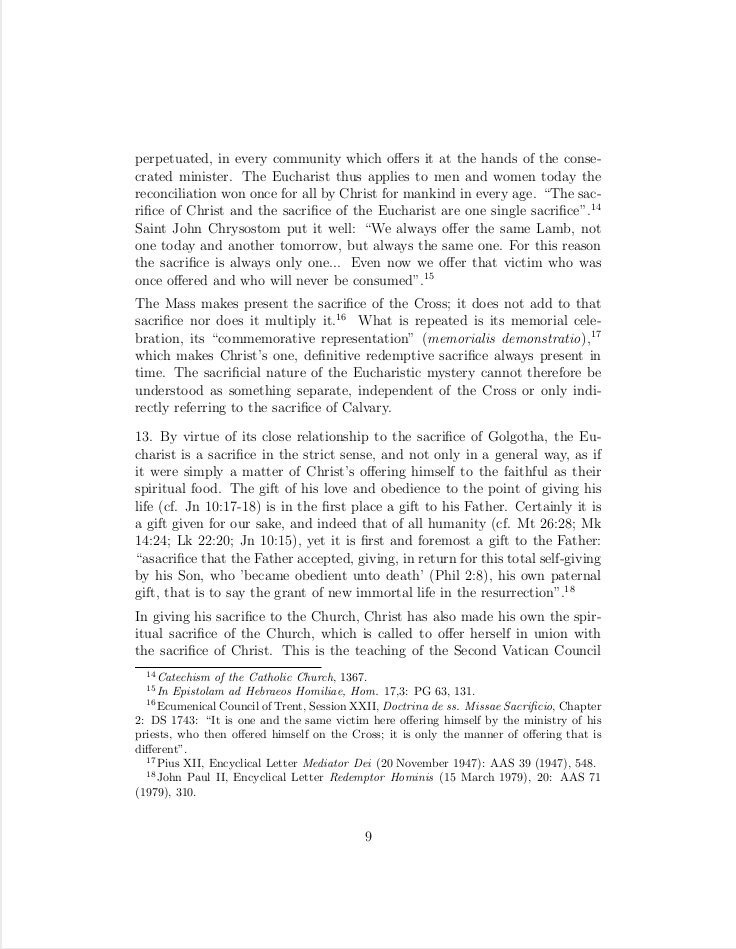
I wonder what it would take for the Holy See to start posting PDFs of encyclicals and other ecclesial documents with proper formatting along the lines of a text-to-LaTeX-to-PDF workflow. I just converted two (Mysterium Fidei and Ecclesia de Eucharistia) because I couldn’t find any versions online that didn’t look terrible. Now they are beautiful and ready to be marked up and annotated in Zotero. The biggest hassle, frankly, was moving the citations from the endnotes to footnotes on each page.
Isn’t that pretty?
Bishop Erik Varden of Norway delivered the Navarra Lecture recently and every bit of it is worth reading. Such beautiful stuff.
Theology is the intelligent, humble, praying engagement with the deposit of faith handed down in the Church, nothing less. When the Church tries to keep up with passing fashions, she is bound to fail. She will always lag a few steps behind. She risks cutting a sorry, even comical figure, like late-middle-aged parents who attempt to adopt the dress code of their teenage children. This fact reveals the fragility of in-sub-culturation. It teaches us that Catholic engagement with contemporary culture must touch the still waters of the depths, not the flotsam washed up on beaches.
After ditching FreshRSS and riding with just plain old newsboat for a while, I’m giving MiniFlux a go as a self-hosted RSS aggregator. It set it up on the old laptop running the GOES terminal and barely registers a blip in load. The presentation, moreover, is minimalist and clean. It also renders well on phones and various tablets. Some clients are available (newsboat, for one), but the browser UI is so nice and snappy I tend to just use it. You can tweak the CSS for it and customize it if you like. My feed count is hovering somewhere around 145 right now and growing, and it’s nice to have a consistent, centralized place to corral them all locally. Every so often, I back up the OPML file in case the thing goes toes-up.
Class this weekend on catechetics, and some rumination on the capstone project that lies ahead of me. There are several options available, but I’m leaning heavily toward a trio of textual analyses from the list of books provided. Though the papers will be standalone and graded by different instructors, I plan to link thematically, at least for my own purposes. I hope this will give me a larger framework for the semester’s worth of work, drawing from the others as I treat each one individually. Some texts by Augustine are the main contenders, but I have some time to decide. Originally I had planned to do this in the summer of 2025, but we’re thinking about doing some traveling then, and I’d like to have the decks cleared completely for that. This means doing it sooner, which will overlap with ongoing coursework.
I hope everyone is having a good, peaceful Lent. Last night at RCIA, I led the discussions on contraception, IVF, and other related topics. I’ve run with this one for several years now, and every group receives it a bit differently. There weren’t many questions or surprises. My theory is that this year’s cohort - mostly young adults and new families - has probably already Googled all of this. At the very least, they got to hear it live and in person. Next week starts the period of purification and enlightenment, then the downhill run to Holy Week. On the other side of that, I take over full time for 7-8 weeks of mystagogy.
I’ve managed to sneak into - assume myself - into serving at the 7:00am Wednesday mass. Last year, I noticed that the priest was alone, so I offered to help the following week and then just stuck around. I’ve spread the word to the other parish men in diaconal formation in the event they want to trade off with me, and we’ll make it A Thing. Everyone else is working then, so it’s just been me so far. I don’t mind the at-bats, though, and I greatly appreciate the chance to assist. Interesting to see up close the tiny differences and quirks of each priest in their particular styles - one moves quickly and efficiently, another a bit more slowly and reflectively. A third is newly ordained and still very careful. By now, I’ve internalized enough of the mechanics (“do this, stand here, go there”) to participate more in the liturgy rather than thinking two steps ahead about What Comes Next. It’s been a privilege and a blessing for sure.
De Sales' Introduction to the Devout Life has been very fruitful for morning prayer. You can’t go wrong with de Sales if you’re still looking for some Lenten reading. Read one chapter/meditation in the morning and let it sit with you throughout the day. It’s wonderful stuff.
God bless!
I’m in San Jose for work at the moment and remembering being here for a conference in 1996 called - wait for it - Internet World. I was wondering if anything from that period survived online and I came across a CNN article reviewing bits of the event:
To completely understand the interactive TV concept, you need to be familiar with the latest acronym in an industry awash with acronyms: VRML, short for Virtual Reality Markup Language. “It’s really cool,” says Silicon Graphics' John McCrea. What is it? 3-D, for one thing.
McCrea says VRML describes what happens when a Web page comes to life. “Things are spinning at you. Logos, product shots, that’s just the beginning. Exciting, cool content is what’s going to make VRML take off this year,” he said.
I took a closer look at Pi-hole’s administrative tools and set up per-client domain blocking. One of my Lenten goals is to disengage with social media altogether, and this configuration will keep me from reflexively opening Twitter and the like during the first few days. Seems to work pretty well! I’ve included my phone, workstation, and tablet. My devices have on-demand VPN connections enabled, so I’m always connected to the home network for ad filtering and remote access to the various odds-and-ends I have running at home. It’s been working so well that I went ahead and enabled it well ahead of Ash Wednesday.
I thought I had been doing a pretty good job of moderating my usage, but a recent local news event had me checking feeds frequently for updates, and before I knew it, I was in it all the time.
In other news, I’m working on a short paper to close out a history class and have been deep-diving into Guatemalan history and the Catholic Church’s role therein. The particular diaconal focus is on gaining some insight into the spirituality of Guatemalan Catholics, particularly newcomers to our parish. I have some upcoming business travel, so I’ve gotten some excellent texts squirreled away on the iPad and a couple of short books on Blessed Stanley Rother and St. Pedro de San José Betancur. Both of these are in Spanish and on loan to me from a Dominican sister at our parish who spent some time in Guatemala recently for language classes.
Still plowing through Taylor’s A Secular Age. So far, it’s going a bite at a time. I can say that reading about Taylor was easier than reading Taylor directly. Maybe it’s just the Baader-Meinhof phenomenon, but I’m seeing his name pop up everywhere these days. Even in articles about polyamory. He came up in lectures over the weekend as well. Very weird.
My spiritual director suggested I read An Introduction to the Devout Life by St. Frances de Sales, so that’s a chapter a day as part of my morning prayers. One of the things I’m sort of groping towards is a diaconal spirituality that draws from the sources I’ve engaged with over the last few years - Desert, Benedictine, Carmelite, and Dominican. It won’t be presbyteral and certainly not monastic. It will have to be something else entirely.
The de Sales reading and renewed time for daily contemplative prayer will hopefully provide some space and silence for listening. Quieting the dull but somehow piercing idiocy of social media will also help. And the Breviary, of course. Always the Breviary.
This past formation weekend was very fruitful. God spoke through spiritual direction, homilies, and (most importantly) prayer in the wake of some recent difficulties. The class and instructor were also good, and it’s always a blessing to spend time with my cohort.
Pondering Taylor’s formulation of porous vs. buffered. In the first, meaning is carried by the things themselves, independent of the individual. Not so in the second. The buffered individual is required to determine meaning and do so in isolation. I’m glad for Smith’s overview of this book before diving in. Having Taylor’s basic ideas in place has made it much easier to savor as I go along.
Other things in my brain: continued preparatory reading for the upcoming course on American Church history and the latest seasons of Fargo, Slow Horses, and What We Do in the Shadows. Also working through The Last Kingdom. Multitudes amirite?
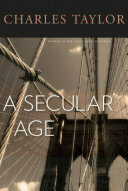
Currently reading: A Secular Age by Charles Taylor 📚

And here it is, in situ. Initial tests show a beautiful, strong signal with practically no errors at all.
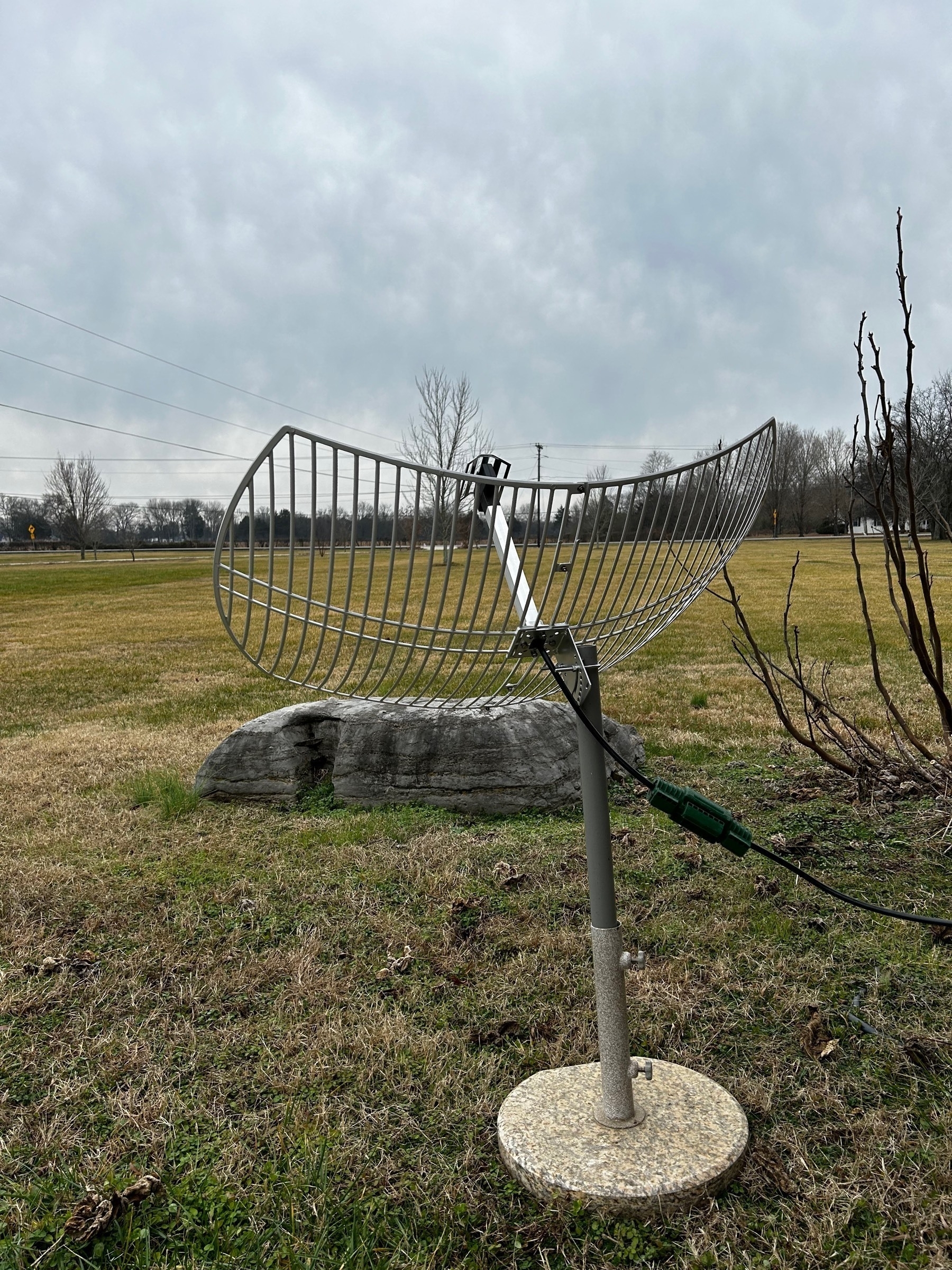
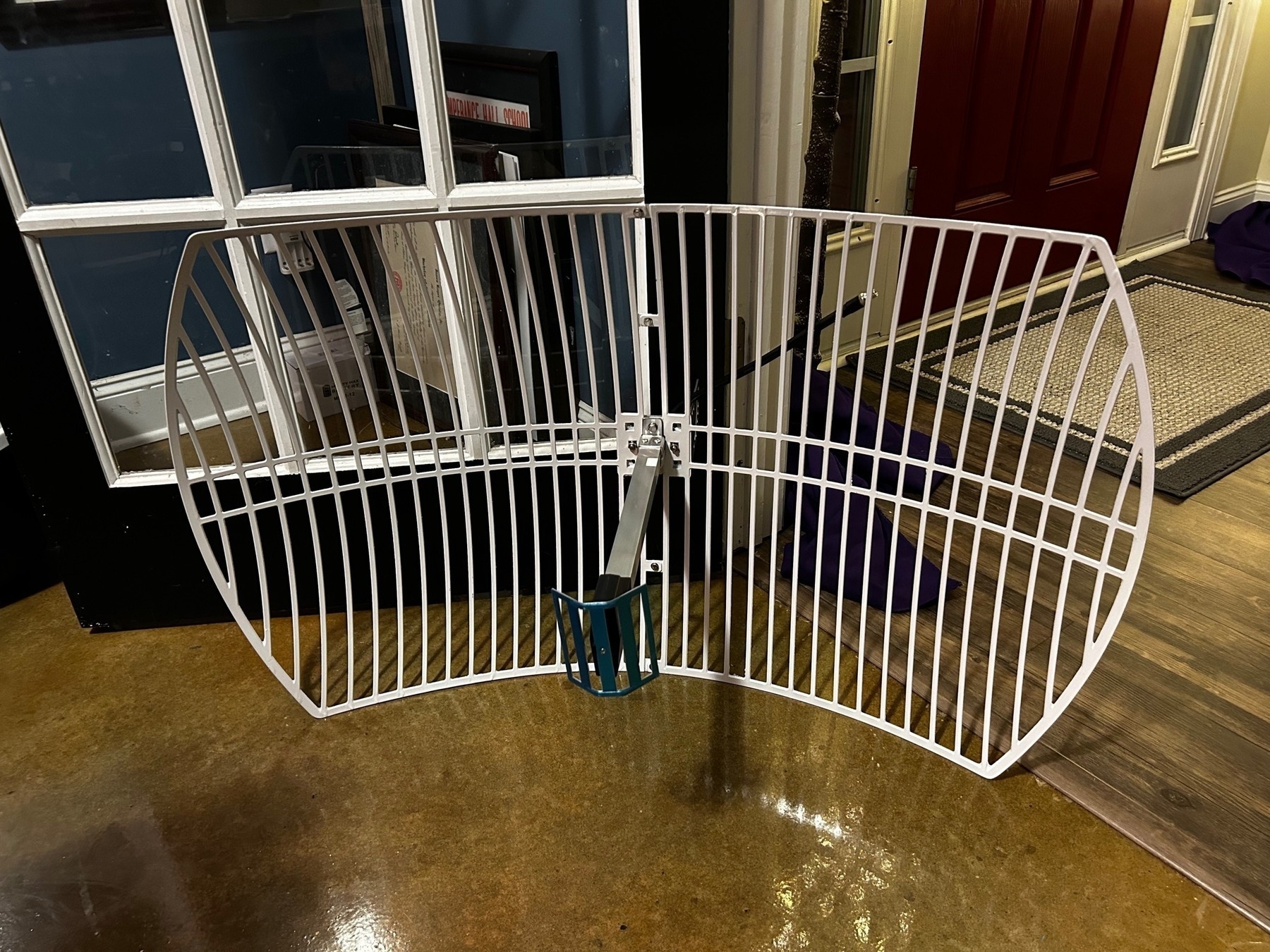
Antenna for GOES imagery. Got the whole kit (including SDR and amplifier) for Christmas. Will work on the rest tomorrow, hopefully have some pictures to share soon-ish.
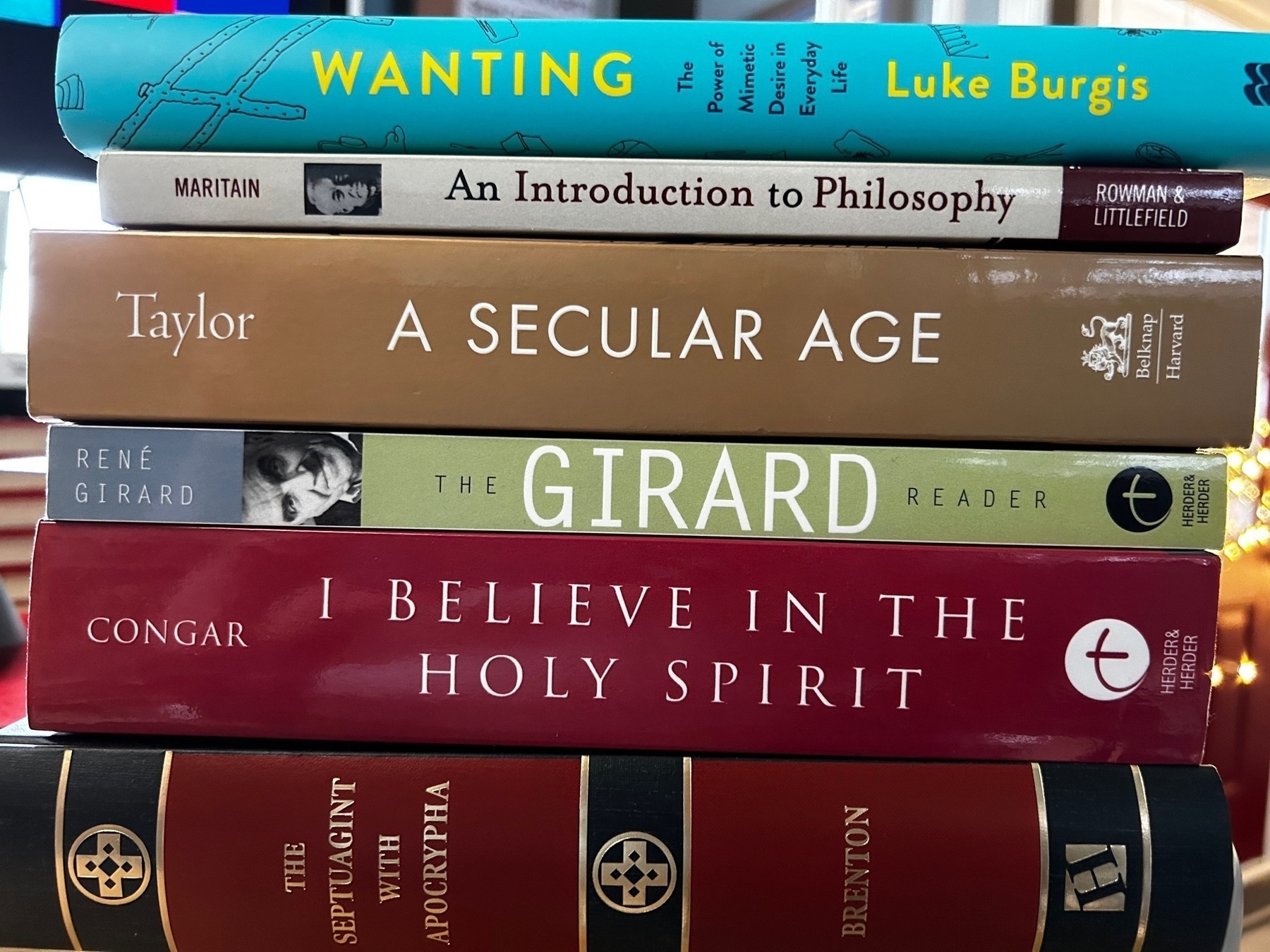
This years book haul. Another Girard book is on pre-order and will get here whenever. Plenty to occupy myself with in the meantime.
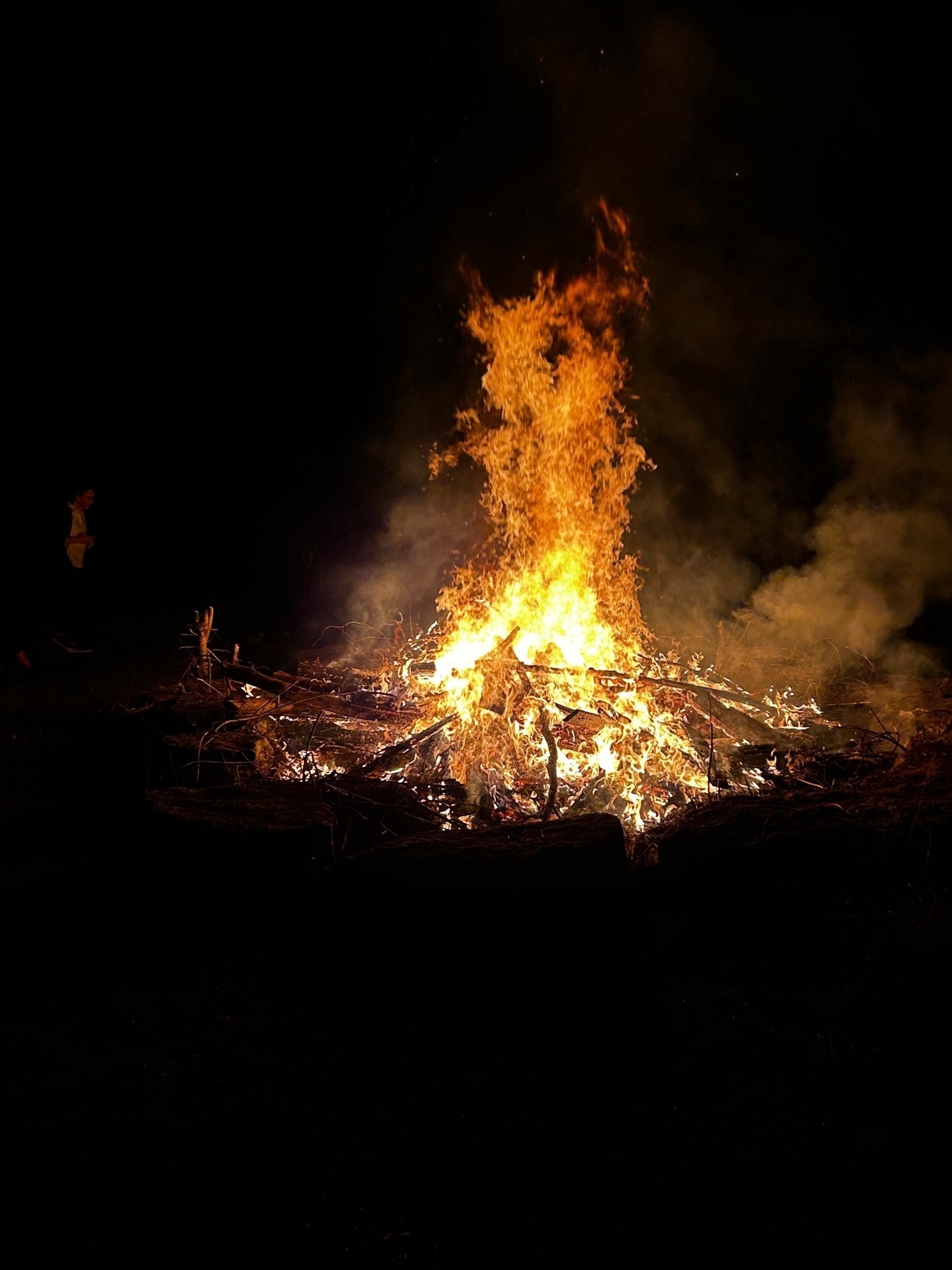
Burning down the year’s accumulation of brush on NYE. This is way more fun than fireworks and I will not be entertaining further questions.
I’m now midway through the third year of formation. I submitted my final assignment for the last course and still have a fair amount of runway for the next course’s assignments. Reader, I am enjoying a nice break. Yesterday was my birthday, and I spent it the best way possible: mostly laying on the couch and reading. I started the day assisting at the 7AM daily mass, and ended it having dinner with my wife in an excellent little restaurant.
Reviewing the last few years of studies - I seem to come across one Big Idea every year. Some writer or concept that is mostly (if not entirely) brand-new and also sort of splits time into ‘before I knew this’ and ‘after I knew this.’ In the first year, it was René Girard’s theory of desire. In the second year, I went deep into Cassian’s Conferences and Institutes, and came away with a much deeper appreciation of the psychological insights of the desert movement. This past year, it was Charles Taylor’s work. One of my classes used James K.A. Smith’s How (Not) to be Secular, a whirlwind tour of Taylor’s A Secular Age. I received a copy of Taylor’s full book as a gift and can’t wait to get into it. There are apparently other books delayed but en route so I think my (leisure) reading time is pretty covered for a while to come.
The remainder of this academic year will cover the Church in America, a second round of catechetics, and the Eucharist. That last one will be taught by our vocations director (who has an STL and is now working on his JCL tl;dr, he’s wicked smart). He led our sacraments class, and to say it was rigorous is putting it mildly. I expect the same in this next class.
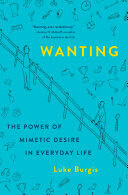
Currently reading: Wanting by Luke Burgis 📚
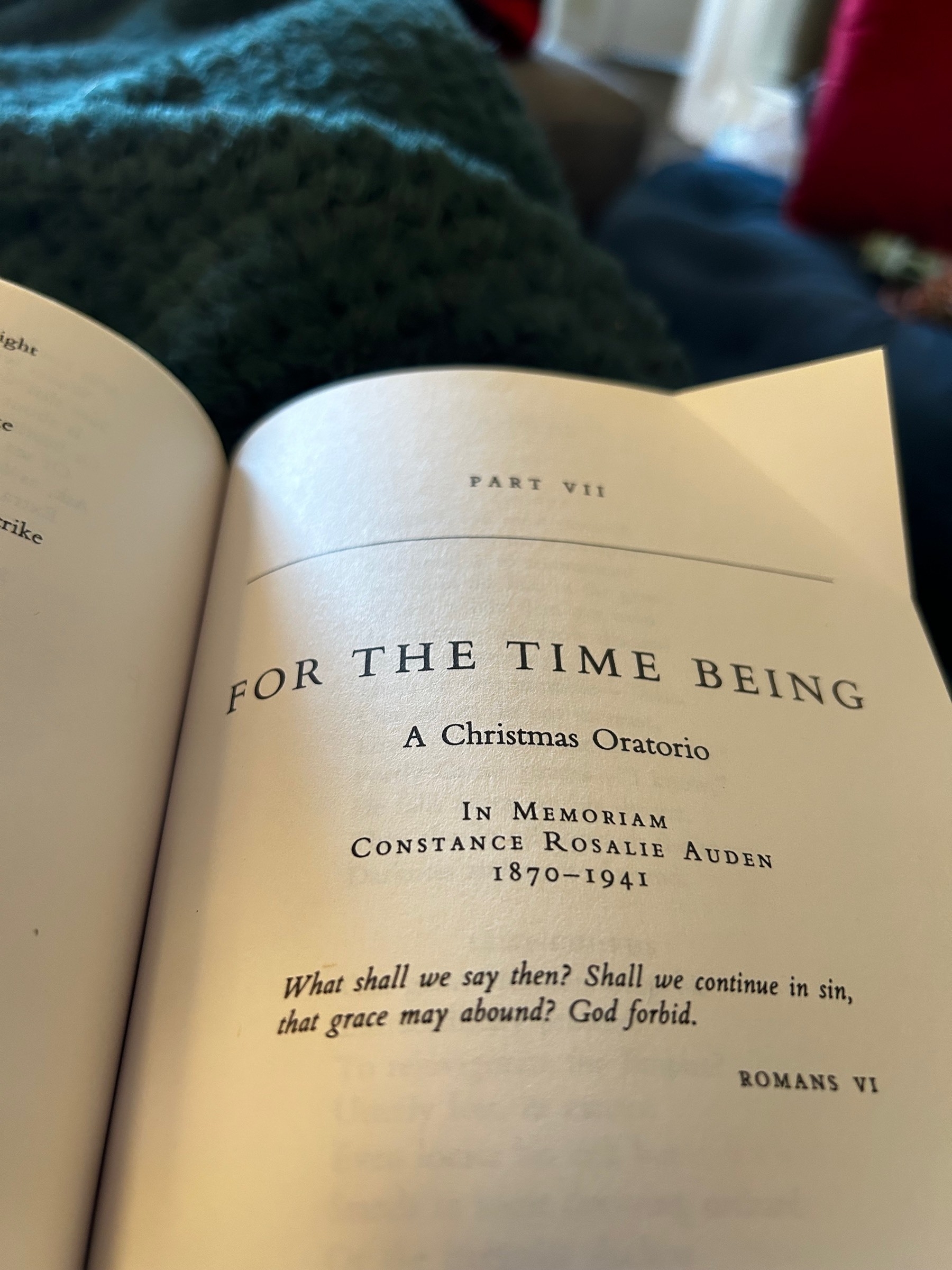
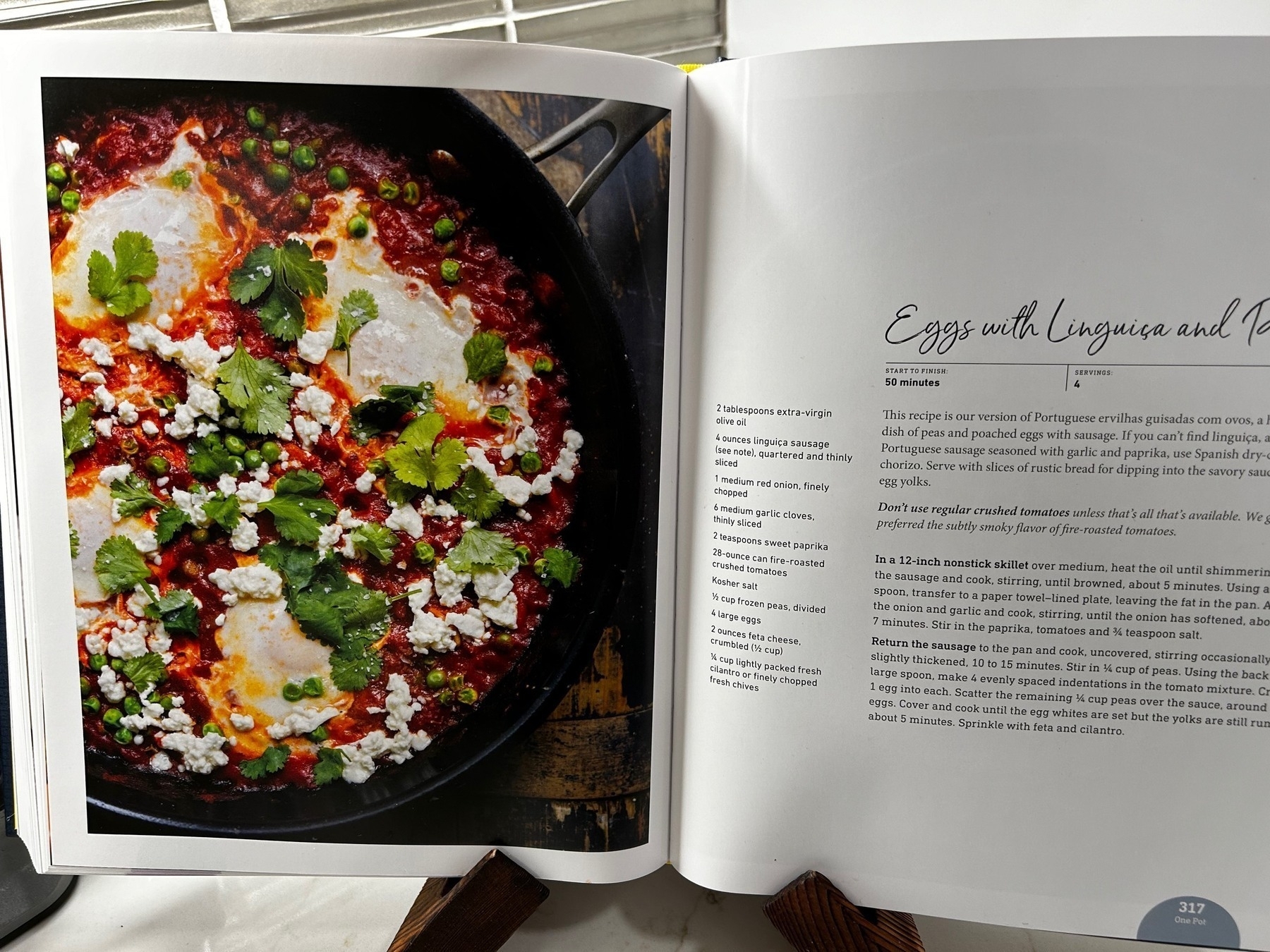
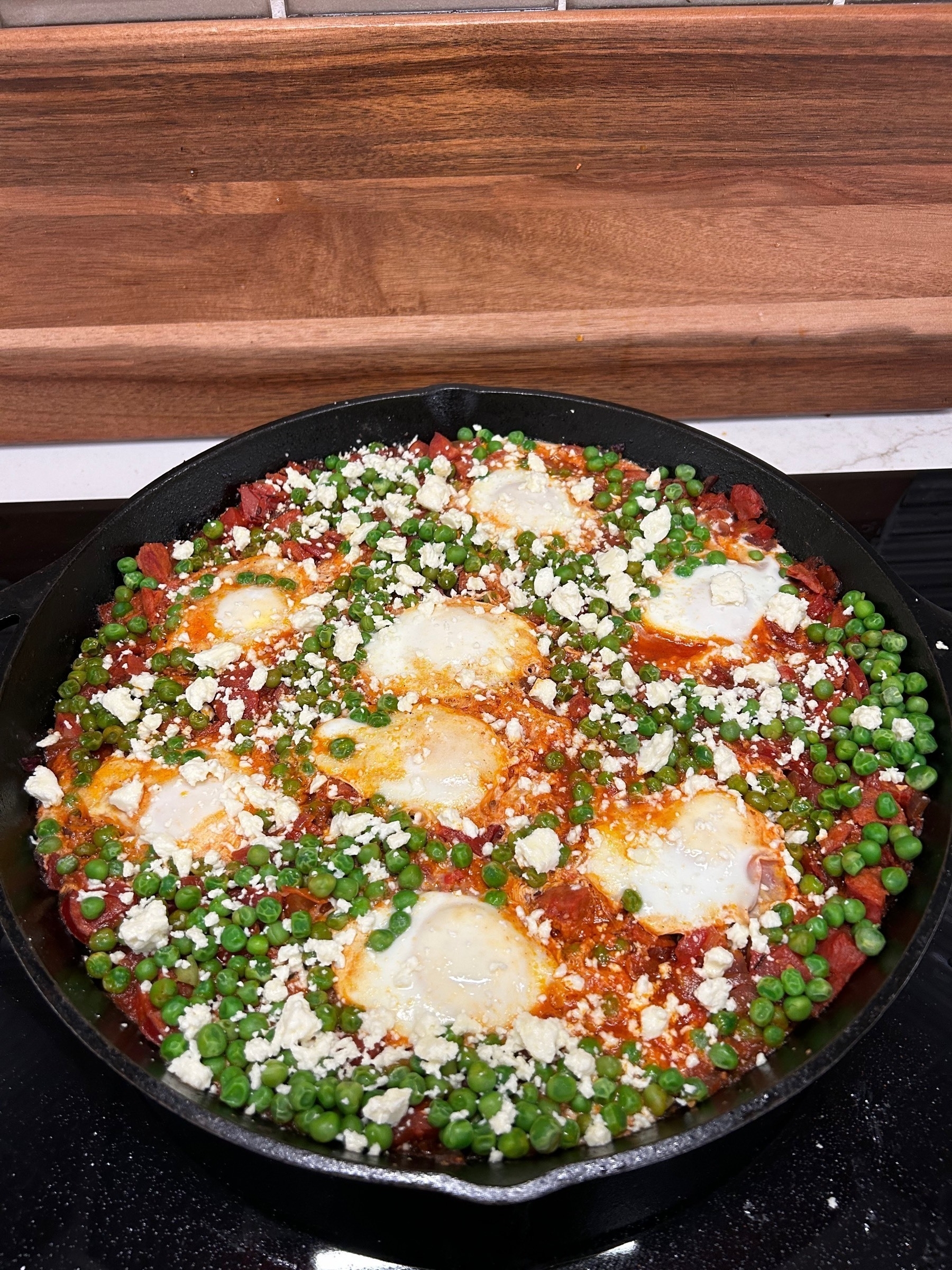

Currently reading: Dominican Life by Walter Wagner 📚
Advent is here, which means that it is about time for the annual reposting of William Tighe’s article Calculating Christmas:
It is true that the first evidence of Christians celebrating December 25th as the date of the Lord’s nativity comes from Rome some years after Aurelian, in A.D. 336, but there is evidence from both the Greek East and the Latin West that Christians attempted to figure out the date of Christ’s birth long before they began to celebrate it liturgically, even in the second and third centuries. The evidence indicates, in fact, that the attribution of the date of December 25th was a by-product of attempts to determine when to celebrate his death and resurrection.
How did this happen? There is a seeming contradiction between the date of the Lord’s death as given in the synoptic Gospels and in John’s Gospel. The synoptics would appear to place it on Passover Day (after the Lord had celebrated the Passover Meal on the preceding evening), and John on the Eve of Passover, just when the Passover lambs were being slaughtered in the Jerusalem Temple for the feast that was to ensue after sunset on that day.
Solving this problem involves answering the question of whether the Lord’s Last Supper was a Passover Meal, or a meal celebrated a day earlier, which we cannot enter into here. Suffice it to say that the early Church followed John rather than the synoptics, and thus believed that Christ’s death would have taken place on 14 Nisan, according to the Jewish lunar calendar. (Modern scholars agree, by the way, that the death of Christ could have taken place only in A.D. 30 or 33, as those two are the only years of that time when the eve of Passover could have fallen on a Friday, the possibilities being either 7 April 30 or 3 April 33.)
The end of the article references The Origins of the Liturgical Year by Thomas J. Talley. I can also attest that it is excellent if you’re interested in this sort of thing.
TL;DR Christmas was not borrowed from pagan Rome; evidence strongly suggests it was the other way around.